The WHY Movement: How Storytelling is Changing the Narrative for Survivors

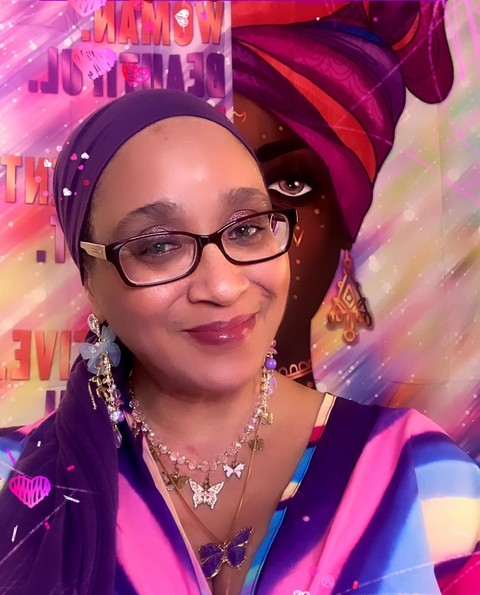
The Power of Storytelling for Survivors
In recent years, a profound movement known as the WHY Movement has emerged, emphasizing the transformative power of storytelling for survivors. By sharing their experiences, individuals can reclaim their narratives, inspire others, and foster a deeper understanding of their journeys.

Understanding the WHY Movement
The WHY Movement is more than just a platform for stories; it's a catalyst for change. It encourages survivors to articulate their experiences, offering them a voice where silence once prevailed. This approach not only aids in personal healing but also contributes to societal awareness.
Empathy is at the core of the movement. When survivors share their stories, they bridge gaps of misunderstanding and prejudice, allowing others to grasp the complexities of their experiences.
The Impact on Survivors
For many survivors, the act of storytelling is empowering. It transforms their narrative from one of victimhood to one of resilience and strength. By sharing their "why," individuals often find a renewed sense of purpose and identity.

This shift in perspective can lead to improved mental health outcomes. Survivors often report feeling more connected and less isolated, knowing that their stories can inspire and support others in similar situations.
Changing the Broader Narrative
Beyond personal benefits, storytelling has the power to alter societal perceptions. By understanding the complex realities of survivors, communities can foster a more inclusive and supportive environment.
- Increased Awareness: Stories highlight issues that may be overlooked, prompting action and change.
- Policy Influence: Personal narratives can influence policymakers to create more effective support systems.
- Community Support: As awareness grows, so does the network of support for survivors.
How You Can Get Involved
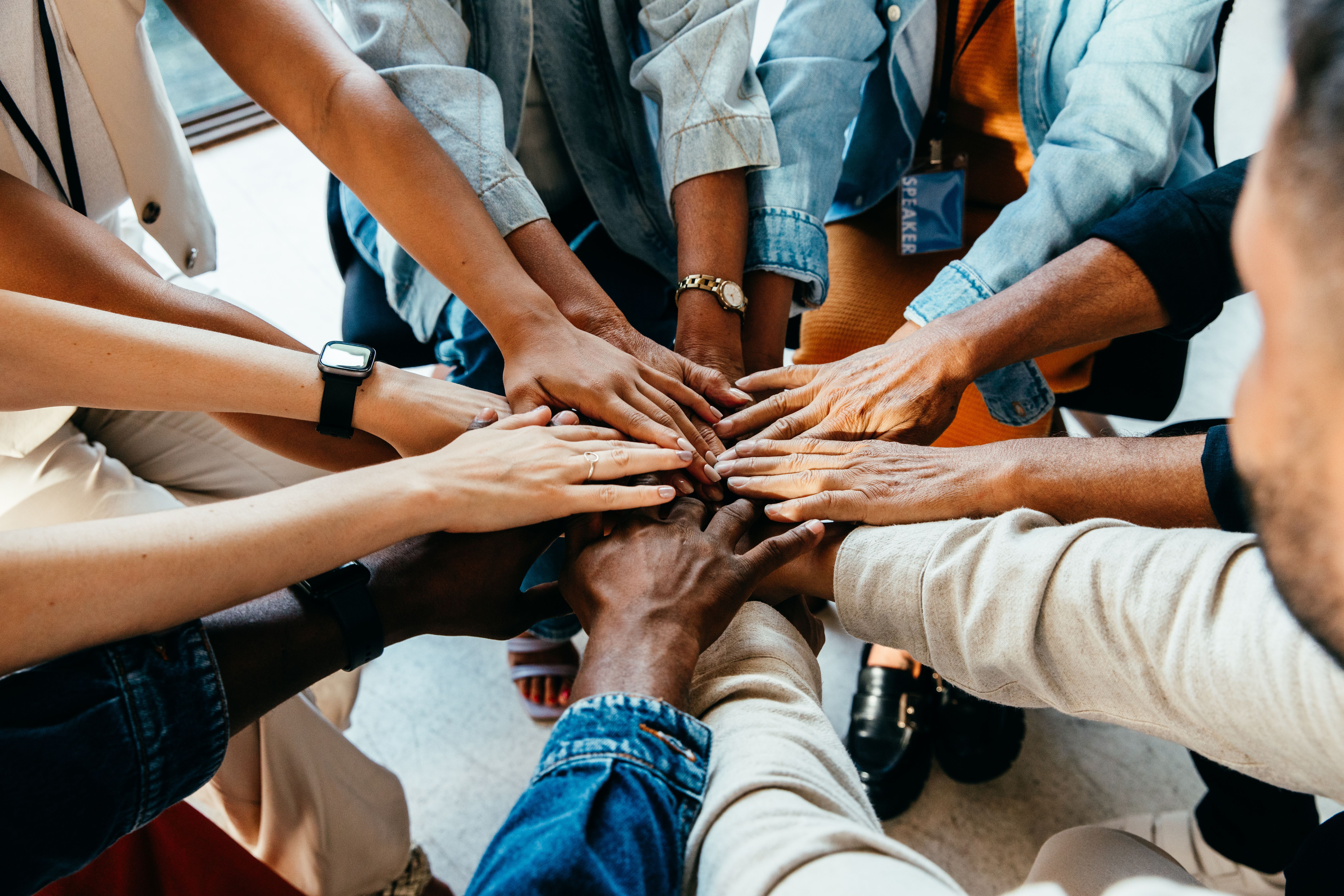
Participating in the WHY Movement can be as simple as listening to a story or sharing your own. Creating space for these narratives not only honors the courage of survivors but also contributes to a more compassionate society.
Organizations and individuals alike can support storytelling initiatives by hosting events, creating safe spaces, and promoting awareness campaigns that emphasize the importance of these narratives.
Conclusion
The WHY Movement is reshaping how we view and support survivors. Through the power of storytelling, individuals are not only reclaiming their stories but also paving the way for a more empathetic and understanding world. By listening, sharing, and supporting, we can all be part of this transformative journey.